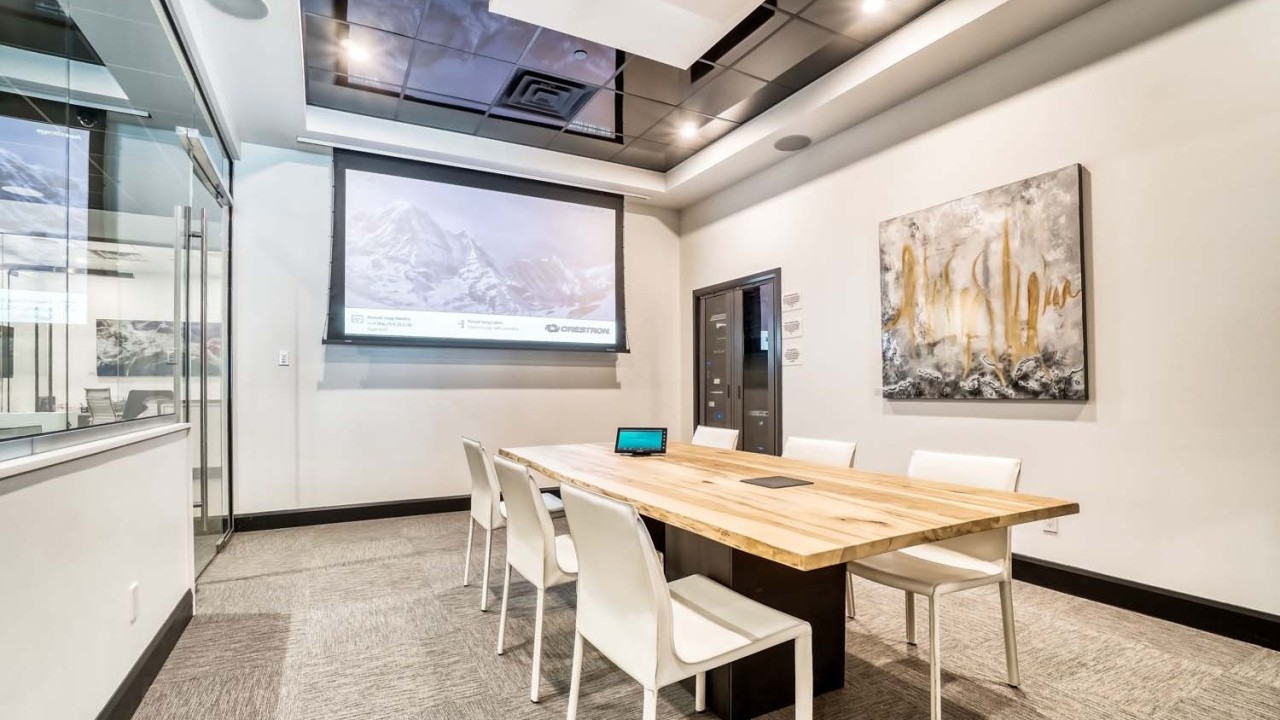
Audio-video distribution sends music, video sources and presentations to multiple rooms or displays from centralized equipment. For a business, the question is not only what it costs, but what it returns. The answer depends on the space and goals, but the main sources of value are usually easy to identify, and most can be measured.
What audio-video distribution includes
A distributed system typically includes centrally located sources such as media players, cable or streaming boxes, and computers. Signals are sent over structured cabling or the network to displays and speakers in each zone. Instead of placing a separate player behind every screen, content is managed from one place and sent where it is needed.
Where the value comes from
Less hardware at each location
Sharing sources across many displays may reduce duplicate devices, subscriptions and the time spent managing them. Fewer devices scattered around the building also means fewer things to troubleshoot.
Commercial music and video services still require appropriate licences and public-performance rights; sharing a source does not remove those requirements.
Consistent messaging
Promotions, menus, safety information and live events can be updated once and shown consistently in every zone. That can reduce errors and keeps the brand presentation the same throughout the space.
