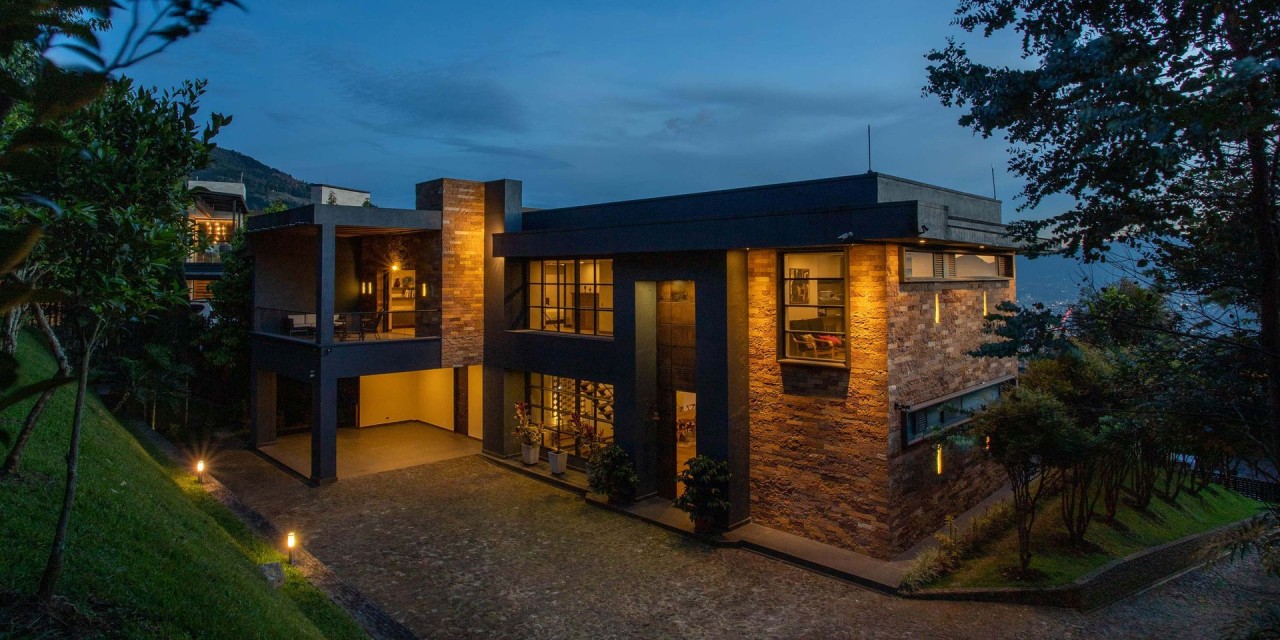
Good landscape lighting looks effortless, but it rarely happens by accident. When outdoor lighting is planned fixture by fixture, without a clear design, the result is often glare, dark gaps and a yard that looks flat after sunset. Here are six common mistakes and how to avoid them.
1. Lighting everything as brightly as possible
More light is not better light. A brightly lit yard makes it harder to see beyond it and washes out the textures of stone, bark and foliage. Start by deciding what deserves attention, such as a specimen tree, an entry, a pathway or a stone wall, and use only as much light as each one needs. DarkSky International and the Illuminating Engineering Society recommend lighting that is useful, targeted, low-level, controlled and warm-coloured. That's a sound starting point for any residential design.
2. Aiming fixtures at eyes, windows and neighbours
Glare is a common problem with outdoor lighting. Uplights placed in sightlines, unshielded wall fixtures and floodlights that spill onto the street or into a neighbour's bedroom all cause problems. Choose shielded fixtures, aim them carefully and check the scene from the driveway, the patio, inside the house and next door.
3. Forgetting the view from inside
In an Ottawa winter, you may see your landscape through the window more often than you walk through it. Plan for the view from the kitchen, living room and primary bedroom as well as from the street. Soft lighting on trees or a back fence also keeps large windows from turning into black mirrors at night.
4. Ignoring colour temperature and brightness
Pathways, plantings, architecture and entertaining areas need different treatments. Mixing very cool and very warm fixtures can make a property look patchy. Keep colour temperature consistent within a scene, favour warmer light where possible, and dim each area to suit its purpose rather than running everything at full output.
